 Patrick Cooper
Key Takeaways
- The 2020 advisory covers dryer exhaust vent blockage and offers a free remedy for affected units, issued directly by Electrolux.
- This advisory's own page does not publish a specific unit count or incident number, so none is claimed in this guide.
- Checking eligibility means contacting Electrolux directly with your model and serial number, not guessing from the appliance's age.
- The advisory and the EF2 fault code both concern the exhaust vent system, but they are two separate checks, not the same thing.
- Good exhaust vent maintenance matters regardless of advisory status, since a blocked vent is a fire risk on any dryer.
The Bottom Line
Confirm advisory eligibility directly with Electrolux by model and serial number rather than assuming based on age. Whether or not your unit qualifies, treat regular exhaust vent maintenance and an active EF2 code as their own priorities.
The Electrolux dryer exhaust vent recall advisory of 2020 is a manufacturer notice about the same physical system behind the EF2 code covered in our separate guide: the exhaust path that carries hot, lint-laden air out of the dryer and out of the house. Unlike the JennAir and Kenmore recalls this fleet has documented with specific unit counts and incident numbers, this Electrolux advisory's own page doesn't publish a specific unit count or incident figure — so none is claimed here, and the guidance below sticks to what the notice itself actually says.
| Detail | What the advisory states |
|---|---|
| Year | 2020 |
| Issued by | Electrolux, as an official recall notice |
| Subject | Dryer exhaust vent blockage |
| Remedy offered | Check whether your appliance is affected and get a free remedy |
| Ongoing notifications | Register your appliance at electrolux.com for future safety alerts |
What Does This Advisory Actually Cover?
It covers a dryer exhaust vent blockage issue significant enough that Electrolux issued it as an official recall notice in 2020, directing owners to check whether their specific appliance is affected and to obtain a free remedy if it is. The notice itself is brief and doesn't break down specific incident counts the way some other appliance recalls do, but the subject matter — exhaust vent blockage — is exactly the same physical concern behind why the EF2 fault code exists on this dryer's own control system.
It's worth being direct about what this guide can and can't tell you: this site's job is to relay what the manufacturer's own notice states and to help you check it against your appliance, not to guess at details the notice itself doesn't provide. Where other recalls in this fleet's coverage — a JennAir cooktop recall or a Kenmore dehumidifier recall, for example — publish specific unit counts and incident figures, this Electrolux advisory does not, and inventing numbers to fill that gap would be exactly the kind of unsourced claim this site's own research standards rule out.
Is My Dryer Affected by This Advisory?
Check directly with Electrolux using your model and serial number, since this notice's own page doesn't list specific model ranges or manufacturing windows the way a typical CPSC recall page does — the safest path is registering your appliance or contacting the manufacturer directly rather than guessing based on age or purchase date alone. This is different from checking a code like EF2, which your own dryer generates itself; this advisory requires checking against the manufacturer's records specifically. Keep in mind the two checks answer different questions: EF2 tells you your dryer's exhaust is restricted right now, while the advisory tells you whether your specific model and production run was part of a broader defect Electrolux identified across a range of units.
- Find your model and serial number on the appliance's rating plate before contacting Electrolux.
- Register the appliance at electrolux.com if you haven't already, which is also how future safety notices reach you directly.
- Don't assume your dryer is unaffected just because it hasn't shown the EF2 code — the advisory and the code are related but not identical checks.
- Contact Electrolux directly for confirmation rather than relying on secondhand information about which units are covered.
What Should I Do While I Confirm This?
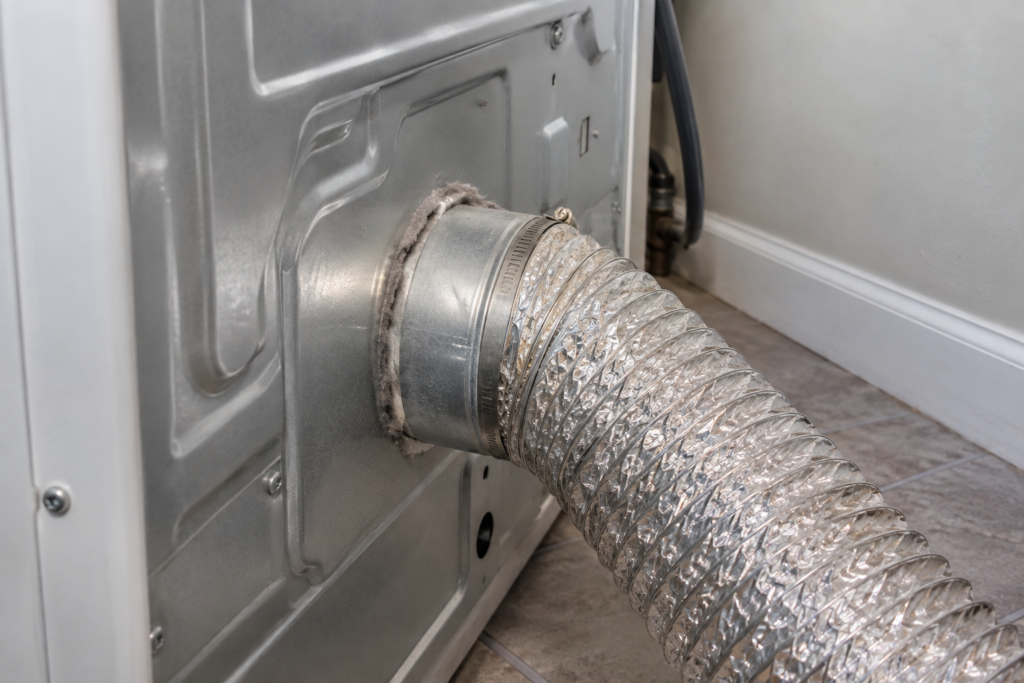
Continue practicing good exhaust vent maintenance regardless of whether your specific unit turns out to be covered by this advisory, since a blocked or poorly designed vent run is a fire risk on any dryer, recalled or not. If your dryer is actively showing the EF2 code, treat that as an immediate maintenance issue on its own — covered step by step in our Electrolux dryer EF2 error code guide — separate from whatever this advisory's remedy process determines about your specific unit.
- Clean the lint filter before every load, regardless of advisory status.
- Have the full exhaust duct run inspected periodically, especially if it's long or has multiple turns.
- Register your appliance with the manufacturer if you haven't, to receive future safety notices directly.
- Treat an active EF2 code as its own maintenance priority, separate from confirming advisory eligibility.
Our broader Electrolux recall check guide covers the general process for checking any Electrolux appliance against the brand's wider recall and advisory history, not just this one dryer notice.
Why This Reads Like an "Advisory" Rather Than a Numbered Recall
Manufacturers use both terms, and the practical difference for an owner is usually smaller than the wording suggests — both a formal numbered recall and a manufacturer safety advisory exist to flag a defect and offer a remedy, whether that's a free repair, a replacement part, or a registration-based notification system. What matters most to an owner is the same regardless of the label: confirm whether your specific unit is affected, and follow through on whatever remedy is offered rather than treating the notice as optional reading.
- An advisory and a numbered recall both indicate the manufacturer has identified a defect worth addressing.
- The remedy process matters more than the label, since both typically offer a no-cost fix for confirmed affected units.
- A notice without a public incident count isn't necessarily less serious — some manufacturers simply publish less detail than others.
- When in doubt, treat any safety notice from the manufacturer with the same seriousness, whatever term it uses.
Our dryer fire prevention guide covers the broader set of precautions worth taking on any dryer, advisory or not.
Keeping a Record for Future Reference
Once you've checked your dryer against this advisory, it's worth keeping a note of the result — model number, serial number, and whether it was confirmed affected or not — alongside your other appliance documentation, so you're not repeating the same lookup if a related notice surfaces later. This is a small habit that pays off more than it costs, especially in a household with several Electrolux appliances of similar age purchased around the same time, since a defect affecting one model year sometimes turns up again in a related product line down the road.
Getting Help
An advisory remedy, where one applies, runs through the manufacturer directly rather than through a standard paid service call. If your dryer isn't covered by this specific advisory but is showing a genuine fault such as EF2 or one of the heating circuit codes, our Electrolux dryer repair service handles the diagnosis, and a visit starts from $120 with the final price confirmed after the on-site diagnosis and a written estimate before any work begins.
If you're unsure whether this advisory applies to your dryer, book a visit or send us the details and we'll help you sort an advisory question from an ordinary fault before anything is touched.